Leadership قيادة

Two teams, one charged room —
one operating system.
فريقان، اجتماع مشحون —
ونظام عمل واحد.

Contextالسياق Design, Product & Engineering teams · 3-week rolloutفريق التصميم، فريق إدارة المنتج، فريق التطوير · 3 أسابيع للتنفيذ
Tasks shipped with design–build gapsالمهام التي تُطلَق بفروقات بين التصميم والتنفيذ ~9 in 10  → ~1 in 20 حوالي 9 من كل 10  ← حوالي 1 من كل 20

The design changed along the way.التصميم كان يتغيّر في الطريق.

Our design team handed designs to the product manager, who then explained them to the engineering team. The designer never spoke to the developer directly. كان فريق التصميم يسلّم التصميم لمدير المنتج، ثم يشرحه مدير المنتج لفريق التطوير. المصمم نفسه لم يكن يتحدث مع المطوّر.

So the design changed along the way. When the designer reviewed the built version at the end, they came back with a long list of issues. With little time left before launch, we fixed only the most important ones and shipped the rest as they were, hoping to fix them later. النتيجة أن التصميم كان يتغيّر في الطريق. وعندما يراجع المصمم النسخة المنفّذة في النهاية، يخرج بقائمة ملاحظات طويلة. ولأن الوقت قبل الإطلاق ضيق، نختار أهم الملاحظات فقط ونصلحها، ونطلق الباقي كما هو على أمل إصلاحه لاحقاً.

"Later" never came. Feature requests kept piling up and resources were tight, so we only returned to an old feature when users complained about it loudly enough. لكن "لاحقاً" لم يأتِ أبداً. الطلبات على الميزات الجديدة كثيرة والموارد قليلة، فلا نعود إلى ميزة قديمة إلا عندما يشتكي منها المستخدمون بشكل كبير.

There was a second problem. Sometimes a design reached the developers fully finished, and they discovered that part of it was hard or impossible to build. It went back to the designer as an urgent fix, while they were already busy with another task and short on time. وكانت هناك مشكلة ثانية: أحياناً يصل التصميم إلى المطوّرين مكتملاً، فيكتشفون أن جزءاً منه صعب أو مستحيل تقنياً. فيعود للمصمم مطلوباً إصلاحه فوراً، وهو منشغل بمهمة أخرى وتحت ضغط الوقت.

This wasn't the exception. By my estimate, about 9 in 10 tasks ran into the same problems. Most of the rest were small tasks where gaps simply didn't show. لم تكن هذه حالات استثنائية. بتقديري، كانت حوالي 9 من كل 10 مهام تمر بنفس التحديات، والقليل الباقي كان غالباً مهاماً صغيرة لا تظهر فيها فروقات.
The problem was how work moved between teams.المشكلة كانت في طريقة انتقال العمل بين الفرق.

Instead of dealing with each list of issues on its own, I looked at the whole journey: from the moment the design team received a task to the moment it launched. I sat with each team to hear how they saw the problem from where they stood. بدل أن أعالج كل قائمة ملاحظات على حدة، نظرت إلى الرحلة كاملة: من لحظة استلام فريق التصميم للمهمة حتى لحظة الإطلاق. وجلست مع كل طرف لأسمع كيف يرى المشكلة من مكانه.

The problem wasn't how any one team performed. It was how work moved between them: وجدت أن المشكلة ليست في أداء أي فريق، بل في طريقة انتقال العمل بينهم:

— Developers understood the design through a third person, not from the person who made it.المطوّر يفهم التصميم من شخص ثالث، لا من صاحبه.
— Developers only saw the design once it was finished, so technical challenges were found late.المطوّر لا يرى التصميم إلا بعد اكتماله، فتُكتشف التحديات التقنية متأخرة.
— Review happened only at the end, when fixing things costs the most.المراجعة تحدث في النهاية فقط، حين يكون الإصلاح أغلى ما يمكن.
— Developers built designs without knowing which user problem they were solving.المطوّر ينفّذ تصميماً لا يعرف ما مشكلة المستخدم التي يحلّها.

Collaboration, not silos.التعاون لا الصوامع.

I designed a way of working that replaces isolated team silos with ongoing collaboration between design and engineering — instead of two teams working in sequence and meeting only at handoff. Before rolling it out, I presented it to my fellow design managers, who helped improve it. صمّمت نظام عمل يستبدل العمل في صوامع معزولة بتعاون مستمر بين التصميم والتطوير — بدل أن يعمل الفريقان على التوالي ولا يلتقيان إلا عند التسليم. وقبل اعتماده عرضته على زملائي مديري التصميم، وأضافوا عليه تحسينات.

The core of it: أهم ما فيه:

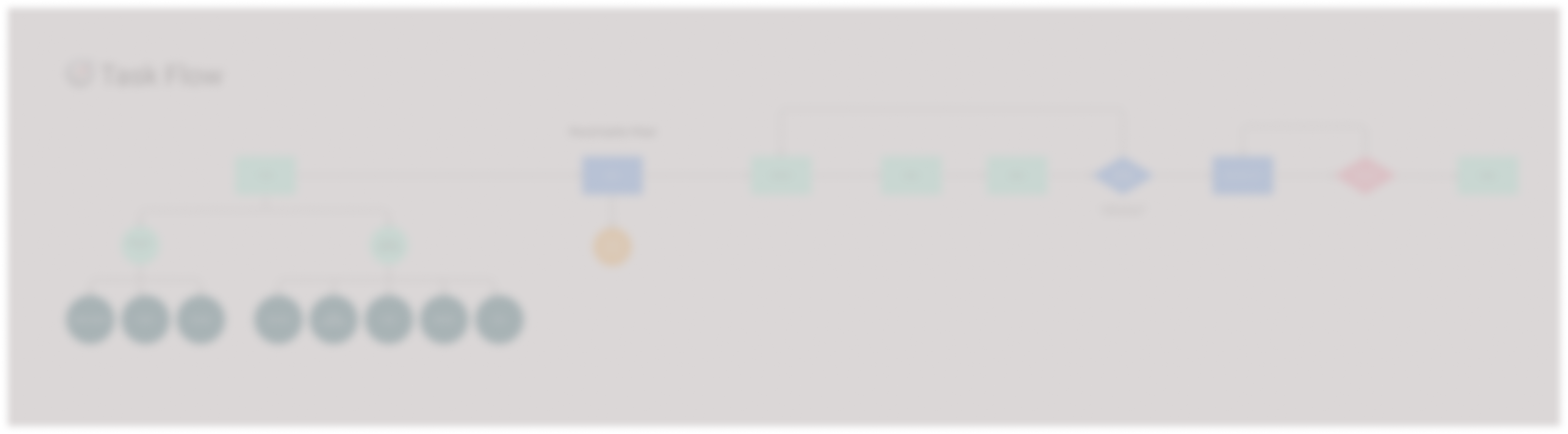
Designers join engineering refinement sessions.المصمم يحضر اجتماعات التخطيط مع فريق التطوير.
They present early solutions before the design is finished and get developer feedback early. Technical challenges are found while the design is still an idea, not after it's a finished design that has to be sent back.يعرض فيها حلوله الأولية قبل أن يكتمل التصميم، فيحصل على رأي المطوّرين مبكراً. التحدي التقني يُكتشف وهو لا يزال فكرة، لا بعد أن يصبح تصميماً جاهزاً يجب إعادته.
The designer explains the design to developers in person.المصمم نفسه يشرح التصميم للمطوّرين.
The designer who made it, not their manager and not the product manager. Once they finish, the product manager adds the product goals and the expected outcome.المصمم الذي صمّم، لا مديره ولا مدير المنتج. وبعد أن ينتهي، يضيف مدير المنتج ما يتعلق بأهداف المنتج والنتيجة المطلوبة.
Task Flow diagram showing the collaboration steps between design and engineering
View the work system documentعرض وثيقة نظام العمل

Planned time, not sudden interruptions.وقت مخطط، لا مقاطعة مفاجئة.

The solution wasn't free. Designers now attend more meetings, and that time comes out of design work. But it is far less than the time we used to lose to urgent fixes and repeated reviews. And it is planned time, not a sudden interruption. الحل لم يكن مجانياً: المصمم صار يحضر اجتماعات أكثر، وهذا وقت يُقتطع من التصميم نفسه. لكنه وقت أقل بكثير مما كان يضيع في الإصلاحات العاجلة والمراجعات المتكررة، والأهم أنه وقت مخطط له، لا مقاطعة مفاجئة.

Persuade, not impose.الإقناع لا الفرض.

I had no authority over the product team or the engineering team. I had to persuade, not impose. لم تكن لديّ سلطة على فريق المنتج ولا على فريق التطوير، فكان عليّ أن أقنع لا أن أفرض.

I first presented the system to the product managers. They agreed the problem was real and that it was a challenge for them too, and they welcomed the initiative. I then asked them to set up two meetings with the engineering team: عرضت النظام أولاً على مديري المنتجات. اتفقوا على أن المشكلة حقيقية وأنها تمثّل تحدياً لهم أيضاً، ورحّبوا بالمبادرة. ثم طلبت منهم ترتيب اجتماعين مع فريق التطوير:

A meeting led by designاجتماع يقوده فريق التصميم
We showed the gaps we found after implementation, and how we hoped designs would be built.نعرض فيه الفروقات التي نجدها بعد التنفيذ، وكيف نتمنى أن يُنفَّذ التصميم.
A meeting led by engineeringاجتماع يقوده فريق التطوير
They explained what they needed from us to build what was asked accurately.يشرحون فيه ما يحتاجونه منّا حتى ينفّذوا المطلوب بدقة.

The second meeting mattered as much as the first. The answer was never "developers need to follow the design more closely." It was understanding what they were missing from us. الاجتماع الثاني كان مهماً بقدر الأول، لأن الحل لم يكن "المطوّرون يجب أن يلتزموا أكثر"، بل أن نفهم ما ينقصهم منّا.

From ~9 in 10 to ~1 in 20.من حوالي 9 من كل 10 إلى حوالي 1 من كل 20.

Tasks coming back because of unclear designs or gaps between design and build dropped from about 9 in 10 to roughly 1 in 20 (my estimates from tracking tasks). انخفضت المهام التي تعود بسبب عدم الوضوح أو الفروقات بين التصميم والتنفيذ، من حوالي 9 من كل 10 مهام إلى مهمة واحدة تقريباً من كل 20 (تقديرات من متابعتي للمهام).

For users and the productللمستخدم والمنتج
— Designs ship as designed. The designer who understood the user and designed for them makes sure what gets built is what the user needs.التصميم يُطلَق كما صُمّم. المصمم الذي فهم المستخدم وصمّم له، يتأكد بنفسه أن ما يُبنى هو ما يحتاجه المستخدم.
— Deferred fixes stopped piling up. The "fix it later" list no longer grows with every launch.توقف تراكم الفروقات المؤجلة. قائمة "نصلحها لاحقاً" لم تعد تكبر مع كل إطلاق.
For engineeringلفريق التطوير
— Developers understand the user. A design is no longer a set of instructions to follow without knowing why. They know the user's problem and why the design is built the way it is.أصبحوا يفهمون المستخدم. لم يعد التصميم تعليمات تُنفّذ دون معرفة سببها. صاروا يعرفون مشكلة المستخدم، ولماذا بُني التصميم بهذه الطريقة.
— Less rework for them too. They no longer build, then rebuild after review.إعادة عمل أقل عندهم أيضاً. لم يعودوا يبنون ثم يعيدون البناء بعد ملاحظات المراجعة.
— Fewer questions and assumptions during build, because they heard the explanation from the person who designed it.أسئلة وافتراضات أقل أثناء التنفيذ، لأنهم سمعوا الشرح من صاحب التصميم.
— They suggest technical alternatives early, before the design is locked.يقترحون البدائل التقنية مبكراً، قبل أن يُقفل التصميم.
For product managersلمدير المنتج
— No longer the translator between teams, so they can focus on their real role: goals and priorities.لم يعد "المترجم" بين الفريقين، فتفرّغ لدوره الحقيقي: الأهداف والأولويات.
For designersللمصمم
— Finished work doesn't come back. Designers are no longer pulled away from current work for urgent fixes that break their focus.لا تعود إليه مهام أغلقها. لم يعد يُسحب من عمله الحالي لإصلاحات عاجلة تقطع تركيزه.
— Final review became confirmation, not discovery.المراجعة النهائية أصبحت تأكيداً لا اكتشافاً للأخطاء.
— They learn technical constraints, so their next designs are buildable from the start.يتعلّم القيود التقنية، فتصبح تصاميمه القادمة قابلة للتنفيذ من البداية.
— More time for new work, instead of losing it to fixes.وقت أكثر لعمل جديد، بعد أن كان يضيع في الإصلاحات.
For both teamsللفريقين
— A shared language, and a direct relationship between designer and developer that doesn't depend on a go-between.لغة تواصل مشتركة، وعلاقة مباشرة بين المصمم والمطوّر لا تعتمد على وسيط.

When the same problem repeats, it's probably not the people.حين تتكرر نفس المشكلة، فالأرجح أنها ليست في الأشخاص.

When the same problem repeats in every project, it's probably not the people. It's the path the work takes. عندما تتكرر نفس المشكلة في كل مشروع، فالأرجح أنها ليست في الأشخاص بل في الطريق الذي يمر به العمل.

Designs not shipping the way they were designed?تصاميمك لا تُطلَق كما صُمِّمت؟

The gap between what gets designed and what ships is rarely about skill. It's about the path the work takes between teams.الفجوة بين ما يُصمَّم وما يُطلَق نادراً ما تكون عن المهارة. هي عن الطريق الذي يمر به العمل بين الفرق.

Full portfolioمعرض الأعمال الكامل Get in touchتواصل عبر البريد
Design leadership · Processقيادة التصميم · العمليات